
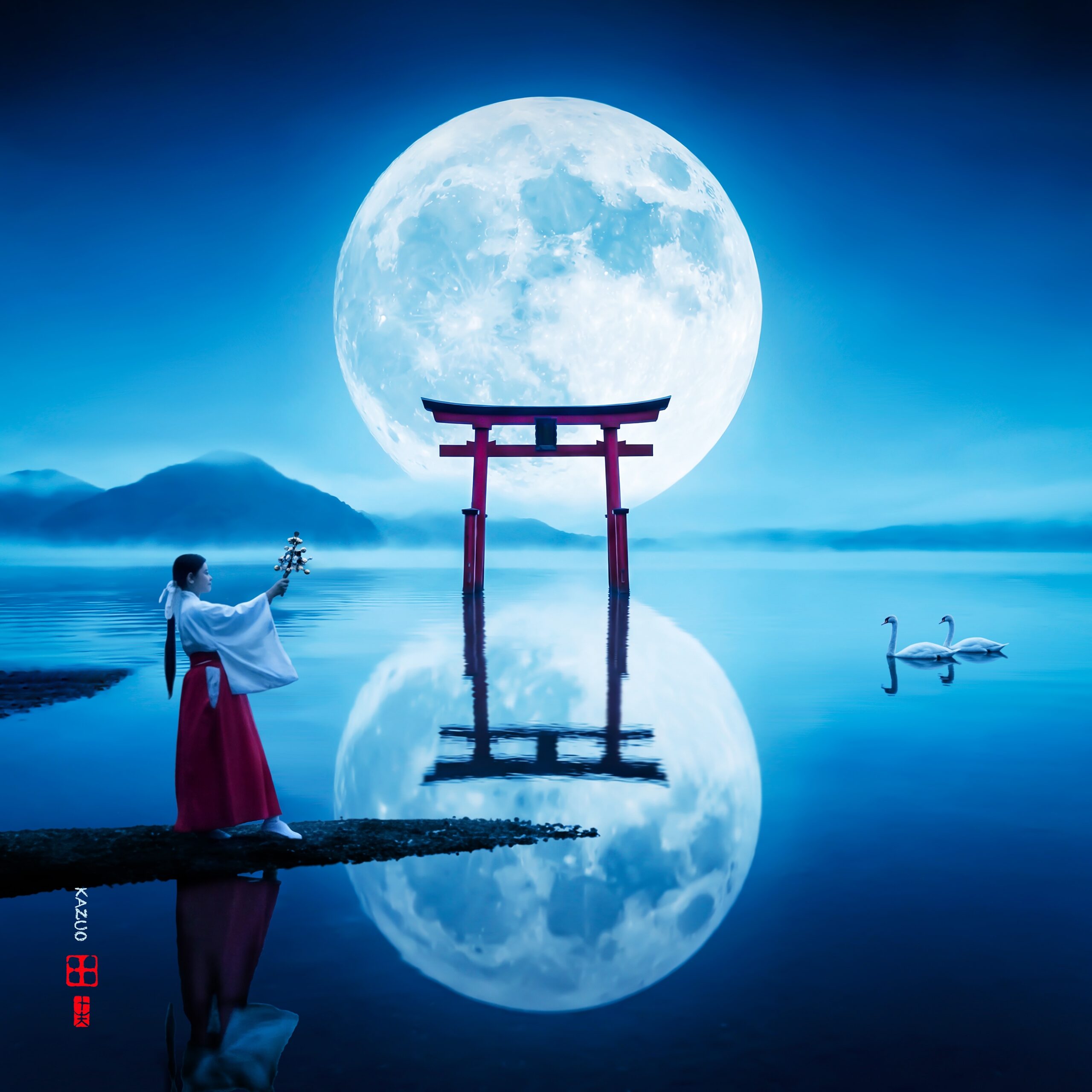
“The Prayer of the Japanese”
Japan has been a country of many natural disasters since ancient times,
Countless lives have been lost over and over again.
Earthquakes and tsunamis strike periodically,
And though the climate is mild, typhoons also assail the land.
Yet, water, salt, and the bounties of mountains and seas were also abundant,
Rich blessings bestowed by nature.
We fear it, but we also revere it.
Shinto was born from such an environment;
In the Jomon period, there is no trace of warfare for over 10,000 years.
That is because water and food were so plentiful.
People interacted to complement what each other lacked,
With no gap between the rich and the poor, there was no reason to fight.
The spirit of “Otangaisama” (we are in this together) and “Arigatashi” (gratefulness)
Was nurtured in this very way.
In ancient Shinto, nature itself was the object of worship,
But with the introduction of Buddhism in the Kofun period,
Shrines were built and religious rituals became more concrete.
Around the 7th to 9th centuries during the formation of the Ritsuryo state,
It evolved into the system of belief we see today.
The prayer of the Japanese is gratitude to the millions of gods,
Praying for the happiness of families, peace in the world, and a bountiful harvest.
Because gods dislike impurity, people cleanse their minds and bodies at the water purification pavilion.
Bowing deeply, clapping their hands, and putting their palms together.
That sight is beautiful beyond measure.
「日本人の祈り」
日本は古来より自然災害の多い国
幾度も多くの命が失われた
地震や津波が定期的に襲って来る
温暖な気候ではあるが台風も襲来する
しかし水や塩 山海の幸も豊富であった
自然より与えられる豊かな幸
畏怖もするが畏敬もする
そのような環境から生まれた神道
縄文時代は1万年以上も戦の痕跡がない
それは水も食料も豊かだったからだ
足りないものを補い合う人々の交流
貧富の差もなく戦う理由がなかった
「おたがいさま」や「ありがたし」の
精神はそうして育まれた
古代神道は自然そのものが信仰の対象
だが古墳時代に仏教が伝わったことで
神殿も造られ宗教作法も具体化していった
律令国家形成の7世紀から9世紀頃には
今のような信仰体系になった
日本人の祈りは八百万の神々への感謝
家族の幸福や世の平安 五穀豊穣を祈る
神は穢れを嫌うが故に手水舍で心身を清める
深く礼拝し柏手を打ち手を合わせる
その姿はこの上なく美しい